
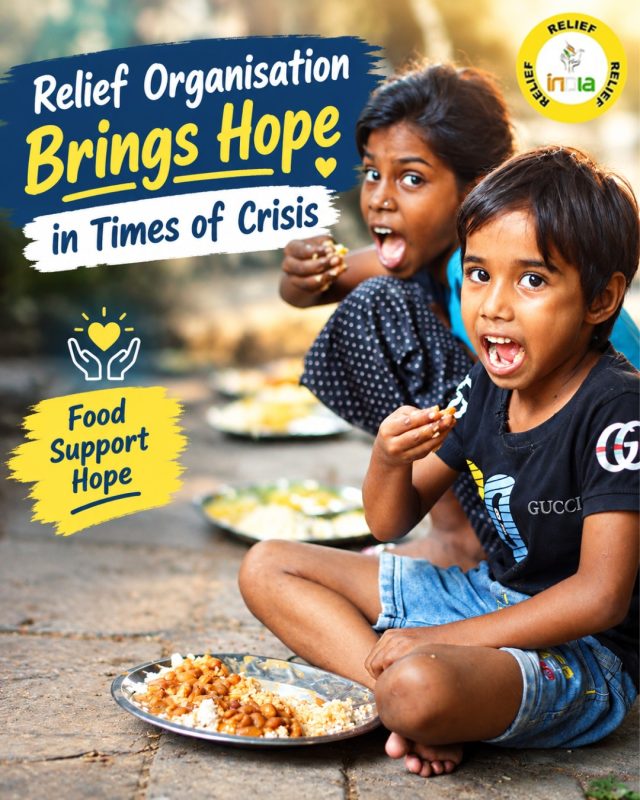
The changing climate is no longer a distant concern—it is a reality that millions of people across India experience every year. From devastating floods that wash away homes to scorching heatwaves that make outdoor work dangerous, extreme weather events are becoming more frequent and severe. At the same time, many regions continue to struggle with water shortages, leaving families without one of life’s most basic necessities.
In times like these, humanitarian organizations play a vital role by providing immediate relief while also helping communities prepare for future challenges. Relief Organisation believes that supporting people during emergencies is not just about meeting urgent needs—it is about restoring hope, protecting dignity, and building resilience.
How Climate Change Is Affecting Communities
Across India, changing weather patterns are disrupting everyday life. Heavy rainfall that once arrived gradually now falls within a few hours, causing flash floods and landslides. In other areas, rainfall has become unpredictable, leading to droughts and water scarcity. Meanwhile, rising temperatures are making summers longer and more intense.
These changes affect every aspect of life. Farmers struggle with damaged crops, children miss school because of disasters, and families lose their homes and livelihoods. Health risks also increase as contaminated water spreads diseases after floods, while extreme heat leads to dehydration, heat exhaustion, and other serious illnesses.
Floods: More Than Just Rising Water
Floods are among the most destructive consequences of extreme weather. They do not only damage roads and buildings—they also take away security, education, and livelihoods.
When floodwaters enter villages and towns, families are often forced to leave everything behind. Important documents, household belongings, livestock, and crops may all be lost within hours. Schools and healthcare facilities can remain closed for days or even weeks, affecting children’s education and access to medical care.
After the water recedes, the challenges continue. Contaminated drinking water, damaged sanitation systems, and the spread of water-borne diseases create new health risks. Many families need food, clean drinking water, clothing, temporary shelter, and emotional support before they can begin rebuilding their lives.
This is where relief efforts become essential. Timely distribution of emergency supplies and community support can reduce suffering and help affected families recover more quickly.
The Role of Relief Organisation in Building Climate Resilience
As climate-related disasters become more frequent, the need for timely humanitarian action continues to grow. Relief Organisation works to support vulnerable communities by responding to emergencies with compassion and responsibility. During natural disasters, immediate assistance can make a significant difference for families who have lost access to food, clean water, shelter, and essential supplies.
Beyond emergency response, the organisation also believes in helping communities become stronger and better prepared for future challenges. Recovery is not only about rebuilding damaged homes but also about restoring confidence, dignity, and hope.
Creating Long-Term Solutions Through Community Action
Lasting change cannot happen through emergency relief alone. Communities must also be equipped with the knowledge and resources needed to adapt to changing environmental conditions.
Relief Organisation promotes awareness about water conservation, environmental protection, and disaster preparedness through community engagement programs. Simple practices such as saving water, planting native trees, reducing waste, and keeping local surroundings clean can collectively create a meaningful impact. Tree plantation drives help improve local ecosystems, reduce rising temperatures, and support biodiversity. Likewise, encouraging responsible use of natural resources ensures that future generations inherit a healthier environment. The organisation also believes that awareness is one of the strongest tools for change. Educational sessions, community meetings, and volunteer led campaigns inspire people to take small but consistent steps toward protecting both people and the planet.
Every Individual Can Make a Difference
Acts of kindness become even more powerful during times of crisis. A food kit can help a hungry family. Safe drinking water can prevent disease. Temporary shelter can provide comfort after disaster strikes. These efforts may seem small, but together they create hope where it is needed most. When communities, volunteers, organisations, and citizens work together, recovery becomes faster and resilience becomes stronger.
Conclusion
Climate change is reshaping lives across India through floods, heatwaves, and water scarcity. These challenges remind us that protecting the environment and supporting vulnerable communities must go hand in hand. While no single organisation can solve the climate crisis alone, collective action can reduce its impact and help people recover with dignity.
Relief Organisation remains committed to standing beside communities during difficult times by providing emergency assistance, promoting environmental awareness, encouraging sustainable practices, and supporting long-term resilience. As the climate continues to change, our shared responsibility also grows. By choosing compassion, preparedness, and sustainable action today, we can protect lives, strengthen communities, and build a future where hope rises stronger than every storm.
Click on https://www.reliefindiatrust.org/ to read and know more about NGOs Relief India Trust NGO. Follow us on Facebook, Instagram, Twitter, and LinkedIn for daily updates. We update our various activities that help the poor better survive.