At Relief India Trust, we live by a simple truth: health is a fundamental human right. We wholeheartedly believe that to achieve community well-being, we need to focus on prevention. And at the heart of preventive healthcare is something that sounds straightforward but is incredibly powerful: hygiene. Unfortunately, many regions in India still struggle with a lack of awareness when it comes to proper hygiene practices. This gap in knowledge, coupled with limited access to clean water and sanitation, sets the stage for a range of avoidable diseases.
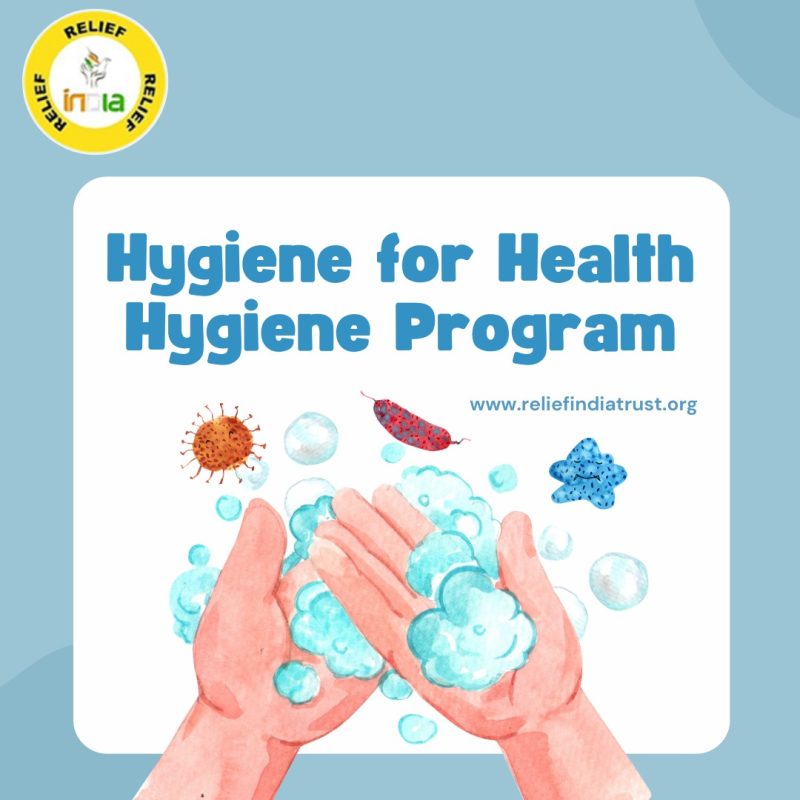
Relief India Trust: Hygiene for Health Program
Every year, millions suffer from illnesses like diarrhea, cholera, typhoid, and various skin and eye infections. And it’s heart-breaking, especially since these conditions often keep families trapped in poverty, losing wages and facing hefty medical bills. That’s why we launched our “Hygiene for Health” program — a key part of our approach to public health that aims to go beyond just treating diseases. We truly believe that knowledge is powerful, and with the right information, communities can protect themselves and their loved ones from preventable illnesses.
This program takes a holistic view, focusing on personal hygiene, domestic cleanliness, and community-level sanitation. We’ve designed it to be sensitive to the local culture and needs, ensuring that our messages resonate with the communities we serve. Our dedicated staff hit the ground running, connecting with families, schools, and community leaders to engage them directly. Building trust is essential for long-term success, and this grassroots effort is vital for affecting real change.
Ultimately, “Hygiene for Health” is about creating a shift in behavior. It’s about fostering a culture where hygiene becomes a priority for everyone. By investing in these practices, we’re not just focusing on the present; we’re laying a foundation for a healthier future. The impact of this program goes beyond numbers; it’s measured in lives transformed and communities thriving.
Empowering Communities Through Hygiene Education
When it comes to public health initiatives, the “Hygiene for Health” program by Relief India Trust really stands out. We’ve discovered that genuine change often needs to start at the grassroots level. So we roll out engaging awareness campaigns in villages and urban slums alike. You won’t find any boring lectures here. Instead, we’ve harnessed the power of interactive learning through street plays, puppet shows, and educational films that really grab attention—especially in places where literacy rates are low.
At the heart of our messaging are essential hygiene practices. One major takeaway is the importance of handwashing with soap. The health educators not only demonstrate the correct technique but also explain how this simple action can stop germs in their tracks, playing a crucial role in preventing the spread of infections.
But hand hygiene isn’t the only focus. The program also tackles safe drinking water and food handling. Communities are taught easy and affordable water purification methods, like boiling and filtering, which can make a big difference. Plus, they learn about proper food storage to keep contamination at bay.
Environmental sanitation is another vital area that we take very seriously. The initiative encourages proper waste disposal to avoid pest problems and promotes cleanliness to reduce standing water. Which is a key breeding ground for mosquitoes that spread diseases like malaria and dengue.
In addition to educational outreach, Relief India Trust hands out “Hygiene Kits” to vulnerable families. These kits contain necessities like soap, nail clippers, and water purification tablets, providing practical help that complements their educational efforts. We also train local “Hygiene Promoters,” volunteers from the community who spread the word and support their neighbors.
Through this comprehensive approach, Relief India Trust is truly transforming lives—ushering in scientific knowledge that empowers families to create a healthier environment for the next generation. After all, health starts at home, and with these efforts, we’re paving the way toward a disease-free future!
Fostering Dignity Through Sanitation and Menstrual Health
You know, when it comes to public health, we often overlook some of the most basic yet crucial aspects, and that’s where Relief India Trust’s “Hygiene for Health” program steps in. This initiative goes well beyond just promoting good habits—it’s tackling two gigantic public health issues: access to sanitation facilities and menstrual hygiene management (MHM).
Let’s face it, open defecation is a serious hazard that can contaminate water sources and lead to the rapid spread of diseases. And it’s not just about health; it’s also about safety, particularly for women and girls. Many are forced to relieve themselves in the open, usually after dark, making them vulnerable to harassment and violence. To combat this, Relief India Trust is on a mission to build low-cost household toilets. By working closely with communities to gather resources and offering technical support, they’re not just improving health; we’re restoring dignity and safety for countless families.
Now, let’s talk about menstrual hygiene. In many areas of India, menstruation is wrapped in a culture of silence, shame, and misinformation, which can have dire consequences for women’s health. A shocking number of girls and women lack access to safe, affordable sanitary products. Instead, they often resort to using rags or even leaves, which can lead to nasty infections. Then there’s the issue of facilities in schools—when there’s no place for girls to manage their periods, they often miss days of school, or worse, drop out altogether as they enter puberty.
Relief India Trust is committed to breaking this cycle. Through our MHM workshops for adolescent girls, we create a safe space for open discussions about menstruation. Girls gain accurate knowledge about their bodies and receive sanitary napkins, alongside guidance on how to use them properly. And here’s the kicker: we’re also advocating for separate, functional toilets for girls in schools, ensuring that young women have privacy and cleanliness to manage their periods with dignity.
By addressing both sanitation and menstrual health, this program doesn’t just boost self-esteem—it helps reduce diseases, enhances safety, and promotes better educational outcomes. Empowering women and girls in this way is truly transformative, allowing them to engage fully in their communities. Truly, the impact of the “Hygiene for Health” program is profound and far-reaching!
Conclusion
Let’s talk about the incredible “Hygiene for Health” program by Relief India Trust. This initiative isn’t just another health campaign; it’s a heartfelt response to a pressing public health issue. What sets it apart is its thorough understanding of what communities really need. By blending education, essential resources, and strong advocacy, this program is making meaningful changes in the lives of many.
Focusing on hygiene is crucial because it addresses the root causes of preventable diseases. Instead of just waiting to treat illnesses as they come, this proactive approach creates a solid foundation for health and wellness within entire communities. One of the standout aspects of the program is its impact on women and girls. By promoting menstrual hygiene and improving access to toilets, it not only fosters dignity but also helps to break persistent taboos. This, in turn, opens up opportunities for education and empowerment.
Relief India Trust is genuinely dedicated to this cause, continuously expanding the “Hygiene for Health” program and innovating to enhance its effectiveness. The ripple effects of this initiative are profound—think healthier families, improved school attendance, and overall well-being. It’s more than a program; it’s a bold declaration that every person deserves a safe, clean living environment.
Click on https://www.reliefindiatrust.org/ to read and know more about NGOs Relief India Trust NGO. Follow us on Facebook, Instagram, Twitter, and LinkedIn for daily updates. We update our various activities that help the poor better survive.