A healthy life is something most of us take for granted—until illness reminds us how precious it truly is. Every day, countless individuals continue with their daily routines, unaware that a silent disease may already be affecting their health. Hepatitis is one such disease that often goes unnoticed until serious liver damage has occurred. Yet, with the right awareness, timely testing, and access to healthcare, many lives can be protected.
THEME OF WORLD HEPATITIS DAY:
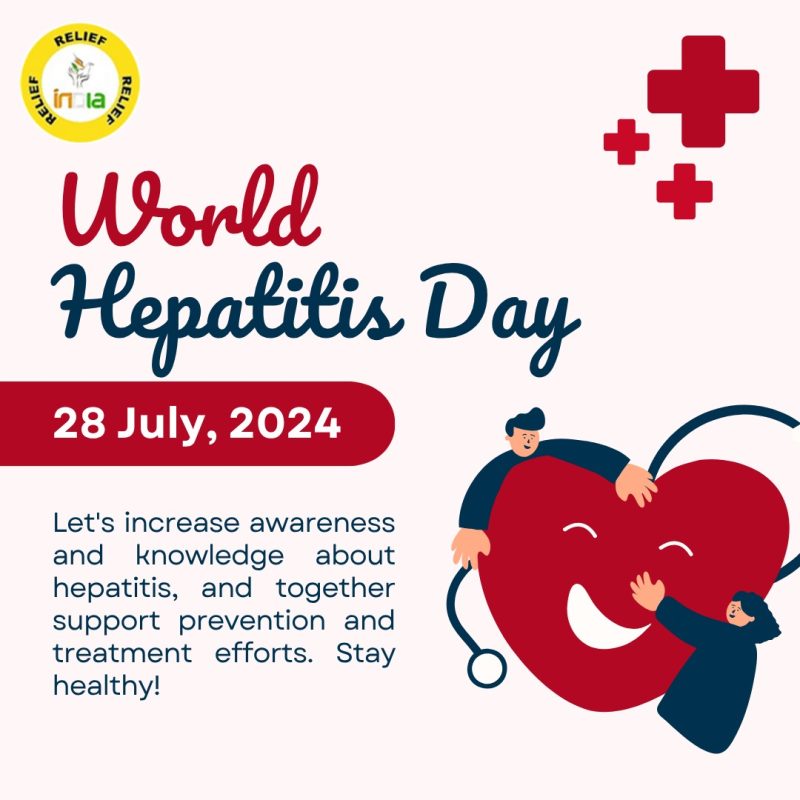
World Hepatitis Day is celebrated every year on 28th July. The theme of Hepatitis Day 2026 is “Let’s break it down.” It emphasises removing all the barriers that separate people from taking life-saving services. According to WHO, treatment tools are available, but people are not taking treatment for the communicable disease. People are unable to take treatment due to limited awareness, health system gaps and steadfast inequalities. This highlights why community education is just as important as medical treatment.
287 million people were living with chronic hepatitis B and C in 2024. Around 1.3 million people died because of hepatitis in 2024. Nearly 45% of babies received the hepatitis B vaccine within 24 hours of birth in 2024. These data indicate a lack of awareness among people about hepatitis.
Why Is the Liver So Important?
The liver is one of the body’s most important organs. It removes harmful toxins from the blood, produces bile for digestion, stores essential nutrients, regulates metabolism, and strengthens the immune system. If your liver is unhealthy, then your whole body suffers. When the liver becomes inflamed due to hepatitis, these vital functions are affected, increasing the risk of serious complications such as liver failure and liver cancer if left untreated. Hepatitis comes from liver cells called as hepatic cells.
Understanding Hepatitis: Hepatitis is an inflammation of the liver that is most commonly caused by viral infections. While some people recover completely,
others develop chronic hepatitis that silently damages the liver over many years. Since symptoms often appear late, many individuals remain unaware of the infection until severe complications develop. This makes awareness, screening, and early diagnosis extremely important.
Recognising this challenge, Relief India Trust regularly organises community health awareness programmes and medical camps where people receive health education, consultations, and guidance on preventing infectious diseases before they become life-threatening.
How Can Hepatitis Spread in Daily Life?
Many everyday habits can increase the risk of hepatitis. Drinking contaminated water, eating unhygienic food, poor hand hygiene, sharing razors or toothbrushes, using unsterilised needles or tattoo equipment, unsafe medical procedures, and receiving unscreened blood can all contribute to the spread of different types of hepatitis.
Unfortunately, many people are unaware of these risks. This is why Relief India Trust conducts awareness campaigns that educate families about hygiene, safe healthcare practices, and the importance of regular health check-ups so that preventable diseases can be avoided.
Preventing Hepatitis Starts With Awareness
The good news is that hepatitis can often be prevented. Vaccination against Hepatitis A and B, maintaining proper hygiene, drinking safe water, eating clean food, avoiding the sharing of personal items, using only sterile medical equipment, and undergoing regular health screenings are some of the most effective preventive measures. At Relief India Trust, we believe that healthcare begins long before a person reaches a hospital. It begins with awareness, prevention, and timely support. Through free medical camps, community health awareness programmes, doctor consultations, preventive medicines, and healthcare outreach in underserved communities, we strive to ensure that every individual has the opportunity to live a healthier life. We believe prevention is not only more effective than treatment but also helps families avoid unnecessary suffering and financial hardship.
This World Hepatitis Day, we reaffirm our commitment to spreading awareness, encouraging early diagnosis, and making quality healthcare accessible to those who need it the most.
Breaking the Myths: Many myths continue to prevent people from seeking medical help. Some believe hepatitis spreads through hugging or sharing meals, while others think treatment is not available. These misconceptions delay diagnosis and increase health risks.
Conclusion
Creating a hepatitis-free future requires collective action. Governments, healthcare providers, organisations, and communities must work together to ensure that every individual has access to accurate information, early diagnosis, and quality healthcare. At Relief India Trust, we remain committed to building healthier communities through medical camps, awareness programmes, preventive healthcare services, doctor consultations, and the distribution of essential medicines. Every initiative we undertake reflects our belief that healthcare is a fundamental right, not a privilege.
This World Hepatitis Day, let us replace myths with knowledge, encourage timely testing, support those in need, and stand together to create a healthier, hepatitis-free future for all.
Click on https://www.reliefindiatrust.org/ to read and know more about NGOs Relief India Trust NGO. Follow us on Facebook, Instagram, Twitter, and LinkedIn for daily updates. We update our various activities that help the poor better survive.